

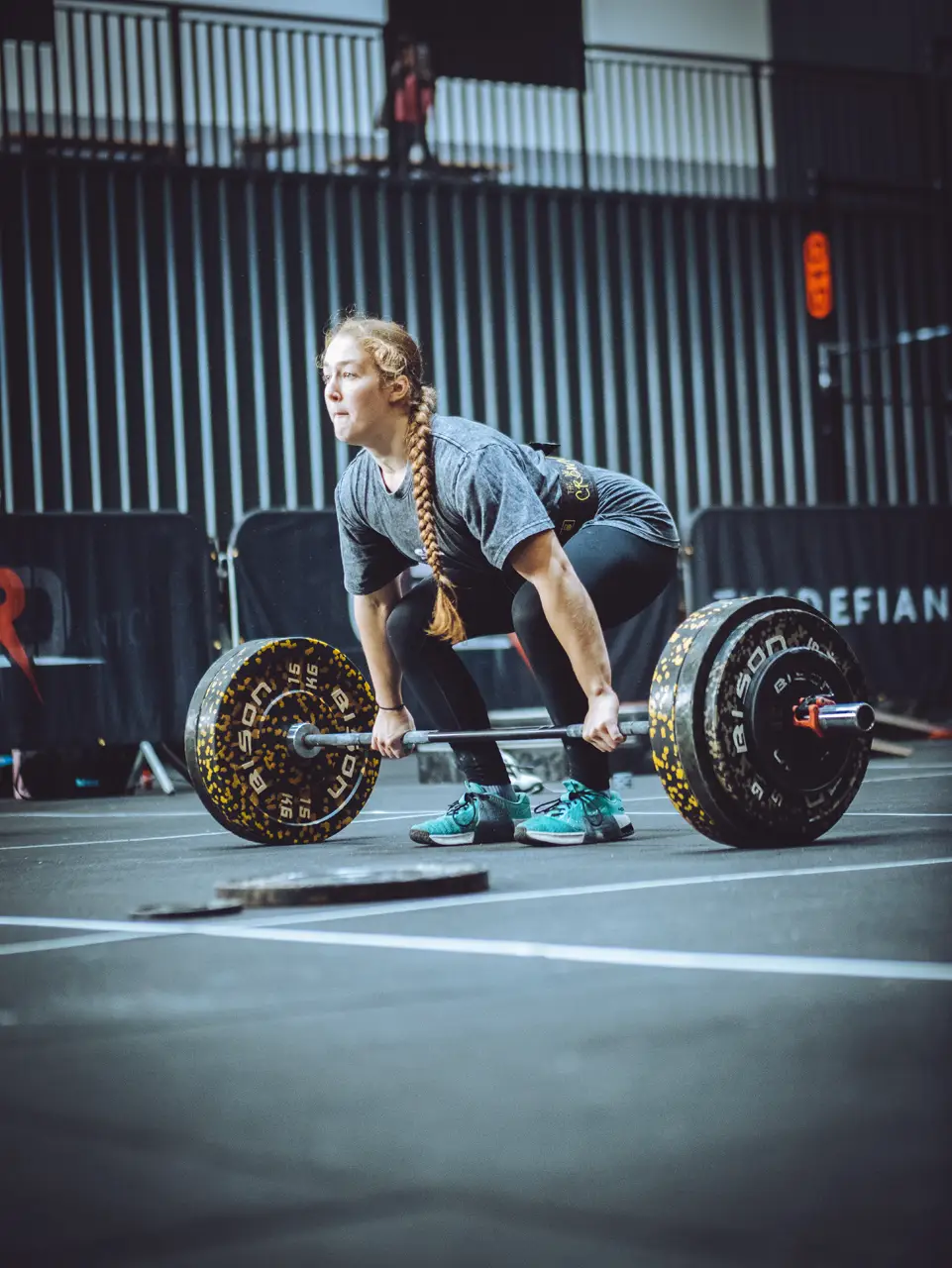


Being on the podium at the BF3 National Championships is an incredible accomplishment, but it does not guarantee selection for the iF3 World Championships.
Here’s why:
1. National Representation and Athlete Limits
The iF3 enforces country-based athlete quotas, meaning not all podium finishers at BF3 will automatically qualify.
- Limited Spots: Each country can send only a set number of athletes per category to Worlds. Even a top performance at BF3 may not be enough if other athletes from your country have higher rankings or are prioritised by the national federation.
- Selection Committees: National federations often look at an athlete’s performance over an entire season, prioritising those with consistent results, versatility, and demonstrated readiness to compete on the global stage.
2. Injured Athletes May Still Be Considered
Selection for Worlds is not always based solely on current competition results.
- Proven Track Record: Athletes who have previously demonstrated excellence in ranking events or international competitions may still be selected despite being injured or unable to compete at BF3.
- Potential for Recovery: Federations may consider athletes who were injured during the season but are expected to recover in time for Worlds, especially if they have consistently shown elite-level performance.
3. Different Competition Requirements
BF3 and the iF3 World Championships may test athletes in different ways:
- Domains of Fitness: The iF3 uses its six recognised fitness test modalities (endurance, strength, bodyweight, mixed modal, skill, and power) to evaluate athletes. Success at BF3, which may not test all these domains equally, might not reflect readiness for Worlds.
- Event Standards: The level of competition and thus difficulty of movements will and should naturally increase from qualifiers to National level to International level.
4. Consistency Over a Season
The iF3 values athletes who perform consistently across multiple events throughout a season:
- A podium finish at BF3 is a snapshot of success in one competition but does not necessarily demonstrate sustained excellence, versatility, or adaptability required at the global level.
- It’s also equally important for athletes to be exhibiting attitude & behaviours consistent with the British Functional Fitness values:
- Inclusive: fostering a welcoming attitude to all regardless of background or ability, fostering team spirit and celebrating diversity (embracing different perspectives as strengths to enhance the team)
- Committed: committed to high standards and professionalism. Maintaining high standards in training and competition.
- Empowering and Inspiring: leading by example, motivating others, celebrating successes - yours and others to inspire pursuit of goals
- Resilient and Determined: embodying the relentless pursuit of progress and excellence, staying focussed and positive after setbacks, showing mental toughness, adapting to challenges (embracing change and finding ways to improve under pressure), and leading with grit
5. Administrative and Eligibility Requirements
Even with strong performances, athletes must meet additional criteria to qualify for Worlds:
- Compliance with Federation Rules: This includes adhering to anti-doping regulations, meeting deadlines, and satisfying administrative requirements set by the athlete’s national governing body.
- Financial and Logistical Barriers: Travel, entry fees, and other costs may also impact an athlete’s ability to compete at Worlds. Whilst our goal is to be in a position to fund our athletes representing our country - we’re not there yet.
6. Selection Committee
In season 2024 the Selection Committee consisted of Mark Brine, Sports Director and Jak Cornthwaite, Elite Pathway Manager. As BF3 continues to grow, so will the opportunity for our Selection Committee to welcome new members. If you want to get involved with BF3 - fill in this form.
Conclusion
While being on the podium at BF3 is a testament to an athlete’s skill and determination, it does not automatically secure a spot at the iF3 Euro or World Championships. Selection involves meeting national representation rules, demonstrating consistent performance across fitness domains, and fulfilling administrative and logistical requirements. Additionally, injured athletes with proven track records or potential for recovery may still be prioritised, adding another layer of complexity to the selection process. Competing at Euro’s and Worlds requires more than a single great performance—it demands readiness, adaptability, and recognition by the broader system.


0 Comments